Quick answer
Most Belmont Shore calls are about drywood termites: pellets under eaves, window trim or garage rafters. When we find colonies in more than one part of the structure we usually recommend tenting, which keeps people out for about 2 to 3 days even on these narrow lots. A single reachable colony can often be drilled and injected instead. Roof rats running the alley power lines and palms are the second most common problem between Ocean Boulevard and Second Street.
Why the houses between Ocean Boulevard and Second Street hold so much drywood activity
Much of the housing here went up between the 1920s and the 1940s and was then remodeled piece by piece. One lot might hold a front bungalow, a rear unit over a garage and a stucco addition from the 1970s, all with framing of different ages joined under a single roof line. Drywood termites thrive in that patchwork. Swarmers leaving a neighbor's eave only have to fly a few feet to reach exposed rafter tails, fascia boards and attic vents on the next house.
When we inspect, the attic and the eaves come first, then window and door trim on the sunny side, the garage rafters facing the alley, and any fence or trellis fastened to the building. Pellets collecting on a windowsill or on top of stored boxes in the garage are the usual early clue. Salt air does not stop termites, but it breaks down paint quickly, and bare wood with open checks is exactly where a swarming pair likes to start.
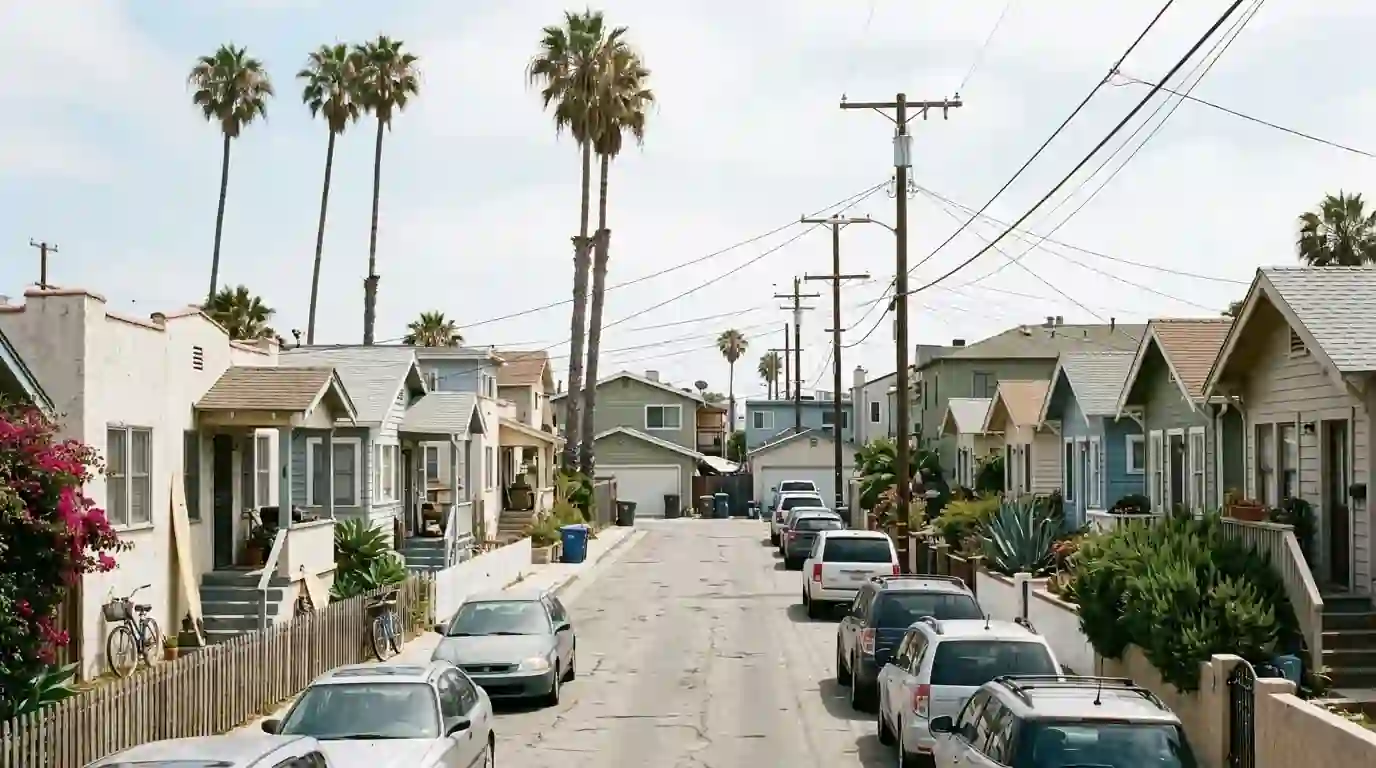
Tenting a house that sits three feet from the neighbor
Fumigation in the Shore takes more planning than in a tract neighborhood. Side yards are often only a few feet wide, eaves on adjoining houses can nearly touch, and the alley may be the only clear route for tarps and equipment. Before the job we walk the property to see where tarps can drape, which plants must be cut back from the walls, and whether a neighbor's fence, vines or rooftop deck needs attention. Where the home has gas appliances, SoCalGas shuts service off and relights it afterward.
Parking is the other constraint. Street spaces near Second Street fill early, especially on summer weekends, so we plan arrival and staging around the alley when we can. Food, medicine and pet food get sealed in fumigation bags or removed, interior doors and drawers stay open, and pets leave with you. The air inside is tested down to the allowed clearance level before anyone goes back in.
Roof rats, alley wires and the palms on the side streets
Roof rats are agile climbers and the Shore gives them plenty of highways: utility lines over the alleys, fan palms, bougainvillea on garage walls and trash bins behind the restaurants. Owners usually hear them first, scratching above the ceiling at night, or find droppings in the garage near stored pet food. We trace entry points around roof returns, attic vents, pipe penetrations and garage door seals, trap inside, and close openings with hardware cloth and metal flashing. Trimming palms and vines back from the roofline matters as much as anything we install.
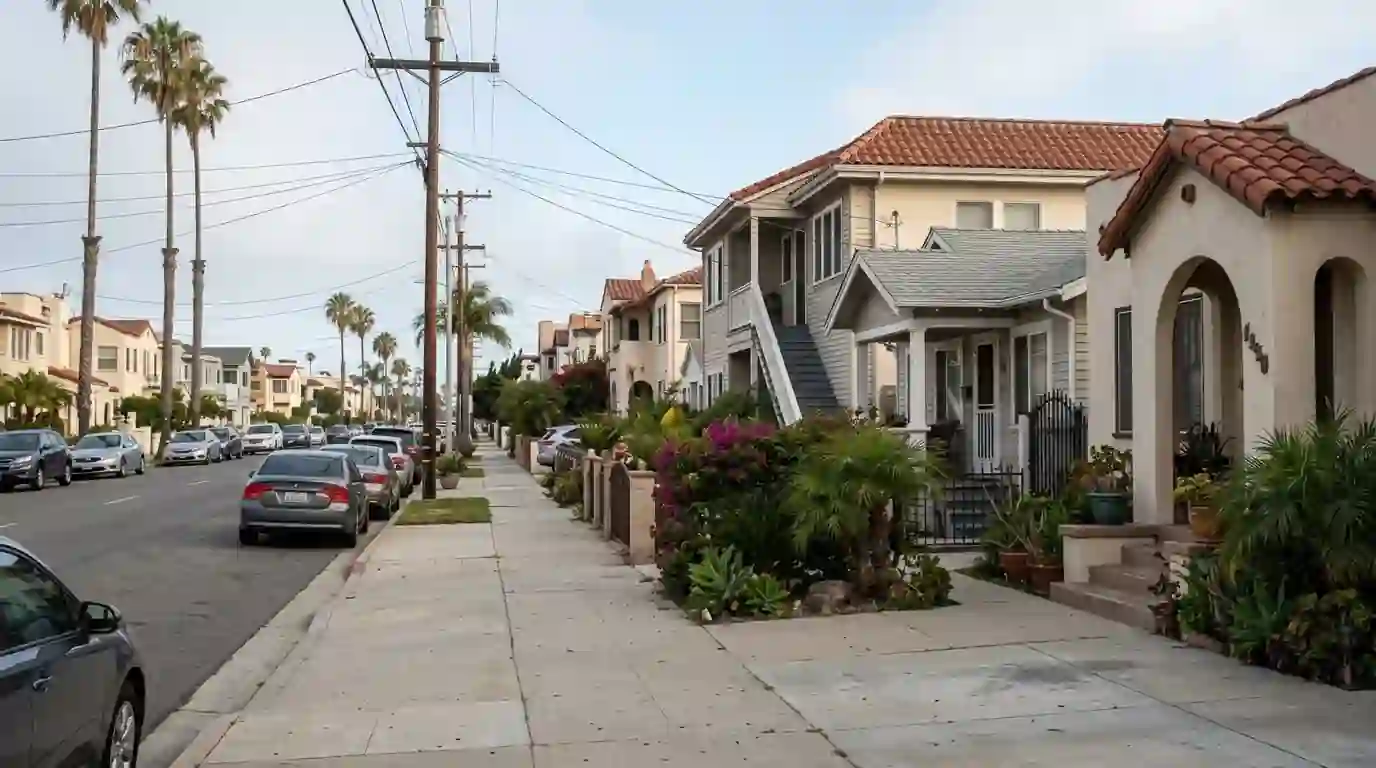
Selling a duplex or triplex in the Shore
Plenty of properties here change hands as income units, and a California termite report covers every structure on the lot, including the rear unit and the garage. Findings land in Section 1 when there is active infestation or damage, and in Section 2 when a condition, like a planter box built against siding, invites trouble later. Lenders often want Section 1 cleared before close of escrow. Tenants need notice and somewhere to stay if the building is fumigated, so sellers who order the report early have more room to schedule.
What we treat most in Belmont Shore
Drywood termites
Pellets under eave boards, fascia and rafter tails on the sunny side, plus colonies in alley garage framing that dates from the same era as the house.
Roof rats
They travel alley power lines and palm fronds into attics, and the scratching overhead tends to start in fall when they move indoors.
Argentine ants
Long trails along sidewalk cracks and into kitchens after the first hot week of summer and again after early winter rain.
German cockroaches
Common in shared-wall duplexes and units behind the commercial strip, usually traced to appliances and plumbing gaps between kitchens.
Dampwood termites
Less common here, but we find them in wood that stays wet: leaking hose bibs, planter boxes against siding and old fence posts.