Quick answer
Bixby Knolls homes range from 1920s Spanish Revival and Tudor styles to postwar Traditional ranches, and most of our calls involve the attic: drywood pellets dropping from rafters, or roof rats nesting in the insulation. We handle termites with local treatment when a colony is limited and tenting when it is spread out. For rats, we trap, seal every entry at the roofline and recommend trimming branches back so the trees stop acting as a bridge.
Old trees, old rooflines, open doors for rats
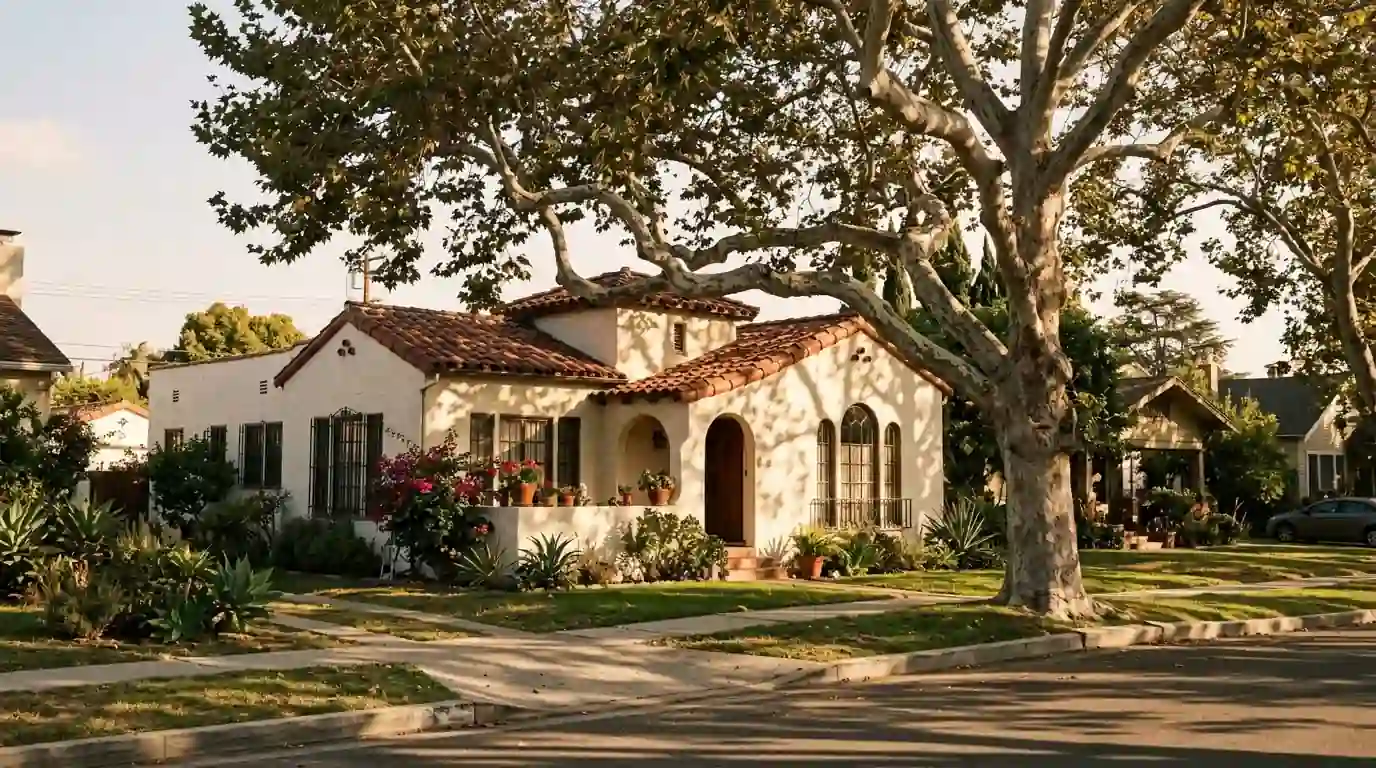
The canopy along the residential streets off Atlantic Avenue is one of the reasons people buy here. It is also the reason roof rats are such a steady complaint. Rats run limbs that overhang the roof, drop onto shingles and squeeze through gaps the width of a thumb: a loose gable vent screen, a gap where the fascia meets a tile roof, an unsealed plumbing stack or an opening beside a chimney. Avocado, citrus and loquat trees in backyards add a food source almost year round.
Our work starts on a ladder and in the attic. We map entry points, look for runways in the insulation, rub marks on rafters and droppings near water heaters and furnaces. Traps go in first. Once activity stops, we seal openings with hardware cloth, sheet metal and mortar where needed. Leaving trees touching the roof undoes the sealing, so we always point out which limbs should be cut back.
Reading the attic of a Spanish Revival house
Many of the older homes have low-pitch roofs behind parapets, clay tile over skip sheathing, or small attics with tight access. Drywood termites love the rafter tails that stick out under the eaves and the exposed beams in living rooms with open ceilings. When we inspect, we look at the pellets themselves: fresh, clean pellets on a windowsill point to an active colony overhead, while old, dusty piles may be leftovers from a treatment years ago.
If the evidence sits in one beam or one window frame and we can reach it, a drill-and-inject treatment with orange oil or another labeled product works well. When there are pellets in several rooms, in the attic and in the garage too, fumigation is more reliable because it reaches wood we cannot see. Tile roofs need care when tarps go on, and we discuss that during the inspection.
Bigger lots, detached garages and side yards
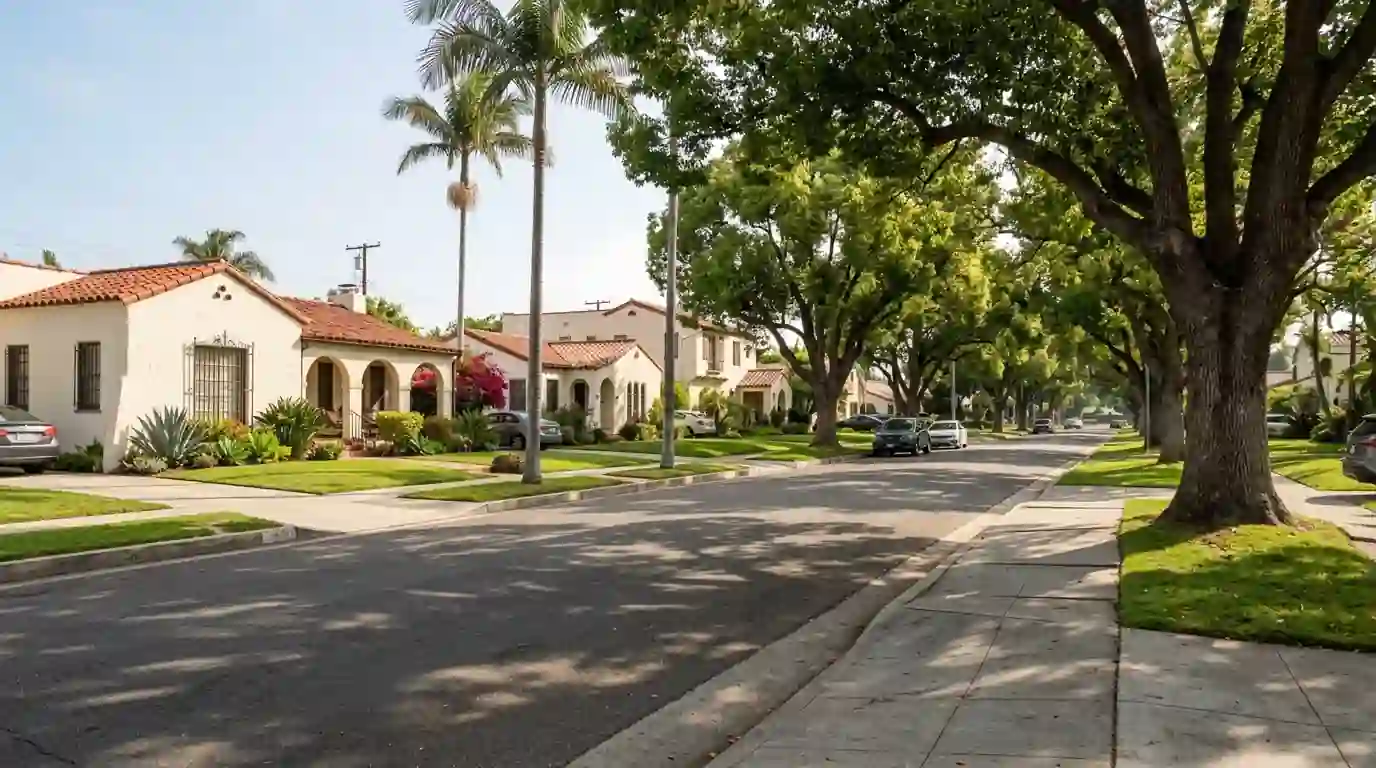
Compared with the beach neighborhoods, lots here tend to be wider, and many homes have a detached garage or studio in back. Those outbuildings get inspected separately and often have their own termite story, because their framing was rarely painted inside. Side yards give us room to work, and street parking is usually easy, which makes tenting simpler to stage than it is on the coast. Mature landscaping still needs trimming back from the walls before tarps go on, and soil around the house gets watered as part of fumigation prep.
When to schedule a look
Drywood swarms appear around late summer and early fall, often after the first hot spell, and that is when many owners first notice wings on a windowsill. Roof rats get noisier as nights cool in autumn. If you hear scratching or find pellets, a call before the rainy season lets us handle both problems while the attic is still easy to work in.
What we treat most in Bixby Knolls
Roof rats
Travel overhanging limbs of mature trees onto roofs and into attics, then feed on backyard citrus, avocado and pet food.
Drywood termites
Colonies in rafter tails, exposed living room beams and window frames of 1920s Spanish and Tudor homes.
Western subterranean termites
Found where older raised floors or porch steps meet soil, and around garages with wood sills on grade.
Argentine ants
Trail along tree trunks tending aphids, then march into kitchens when summer heat dries out the yard.
Paper wasps
Build umbrella-shaped nests under eaves, porch ceilings and patio covers through the warm months.