Quick answer
Downtown pest work is mostly commercial and multifamily: restaurants and bars need regular cockroach, fly and rodent service; high-rise and midrise condos need HOA programs covering common areas and units; historic buildings need termite inspections of wood framing, windows and roof structures plus pigeon control on ledges. Whole-structure fumigation is less common downtown than in neighborhoods, and termite work focuses on targeted treatment of wood elements.
Restaurants and bars on Pine and the Promenade
Food businesses downtown face German cockroaches, drain flies, fruit flies and rodents, often all at once. Older buildings share walls and utility chases, so a problem next door can become yours. We set up recurring service: inspect kitchens, storage rooms and bars after hours, place gel baits and growth regulators where roaches hide, treat floor drains for flies, set rodent stations and traps, and seal gaps at doors and pipe penetrations.
Notes from each visit document what we found and what was done, which helps when a health inspector asks. Long Beach runs its own health department, so restaurants here answer to city inspectors rather than the county. Practical habits on the kitchen side, like cleaning under equipment and keeping back doors closed, make the service work much better.
Condo towers and HOA programs
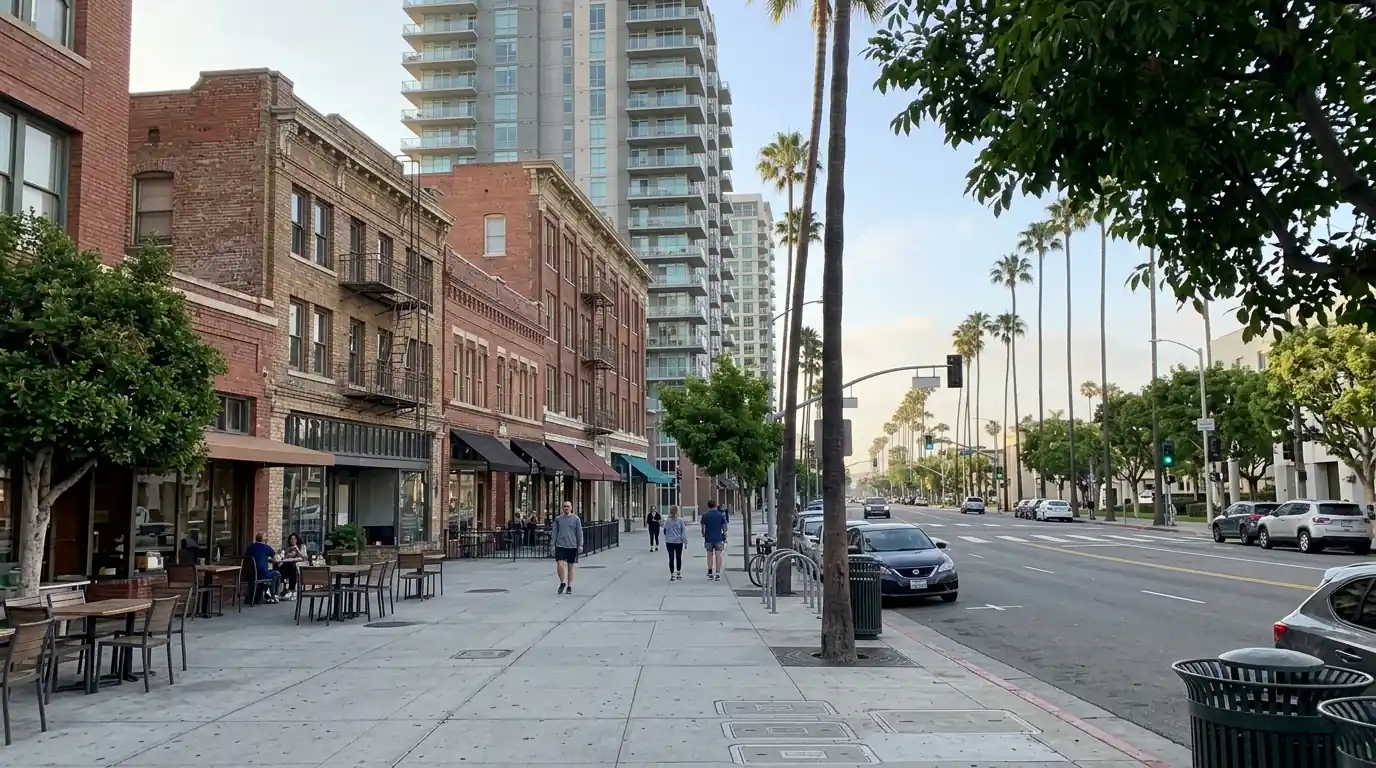
High-rise and midrise condos downtown rely on HOA pest programs. These usually cover trash rooms, garages, mail rooms, pool decks and other common areas on a schedule, with unit treatments as residents report problems. German cockroaches, bed bugs and occasional rodents are the typical issues. Concrete construction in many towers means wood is limited to doors, trim, cabinets and balcony elements, so termite work there is targeted, usually local treatment rather than fumigation.
Older wood-framed condo conversions and low-rise buildings in the East Village can carry drywood termites in roof framing and trim. For those, we inspect common areas and attics, and discuss options with the board, from local treatment to whole-building fumigation when activity is spread out.
Board members often ask what a program should include. A practical one lists the common areas covered, how often each is serviced, how residents report a problem, and how unit treatments are approved and billed. Written service notes after each visit let the board see trends, such as roaches returning to one stack of units, and decide where sealing work would pay off.
Historic buildings, pigeons and access
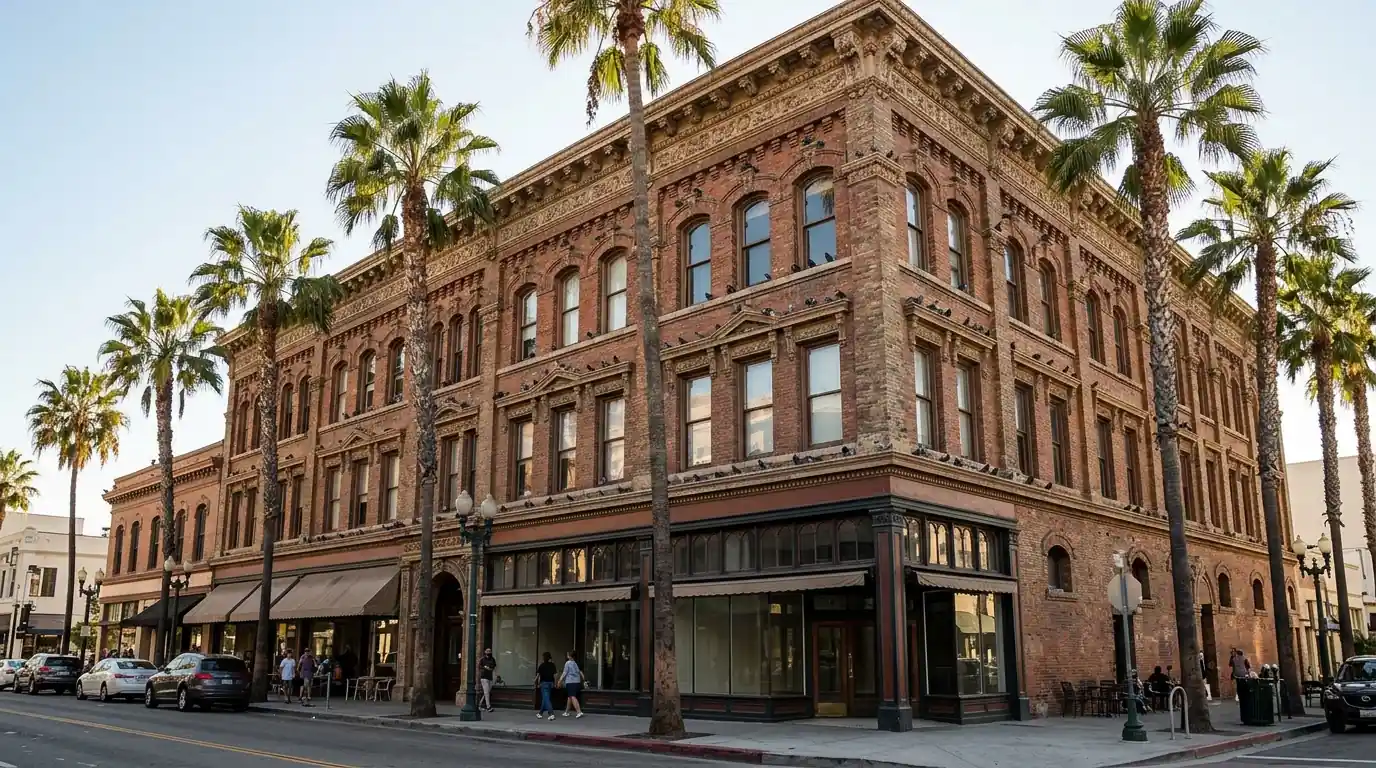
Historic commercial buildings downtown have wood windows, roof framing and interior trim that drywood termites can colonize, and decorative ledges where pigeons roost. Droppings stain facades and clog drains, and nesting debris can block vents. We install bird netting, spikes and slope barriers suited to the building's architecture and remove nesting debris.
Access downtown means loading zones, parking structures and building managers. We plan visits around business hours, restaurant service and building rules, and schedule after hours for kitchens when needed. Being based on Pine Avenue keeps travel short.
Rodents near the harbor side
The southern edge of downtown sits close to the waterfront and the Port, where Norway rats live along rock jetties, storm drains and loading docks. Roof rats use palms along the streets. Both can enter older buildings at ground level or through rooftop gaps, and exclusion work is ongoing in this part of the city.
Offices and retail spaces downtown see fewer pests than kitchens, but break rooms, coffee stations and recycling areas draw ants and occasional roaches. A quarterly exterior and interior visit is usually enough for those spaces.
What we treat most in Downtown Long Beach
German cockroaches
Thrive in restaurant kitchens, bars and condo units, spreading through shared walls and utility chases in older buildings.
Drain and fruit flies
Breed in floor drains, bar mats and back-of-house areas of downtown restaurants.
Norway rats
Live near the waterfront, loading docks and storm drains and enter buildings at ground level.
Pigeons
Roost on ledges, cornices and signage of historic commercial buildings and condo balconies.
Drywood termites
Colonize wood windows, trim and roof framing of historic buildings and wood-framed condo conversions.