Quick answer
Naples homes face two termite problems at once. Dampwood termites move into wood that stays wet: dock framing, deck boards near the seawall, planters and leaking window frames. Drywood termites colonize the dry upper structure. Dampwood is solved by removing the moisture and replacing the decayed wood; drywood calls for local treatment or tenting. Fumigating here takes careful staging, because lots are small, walkways are public and the canal is right there.
Wood that never fully dries out
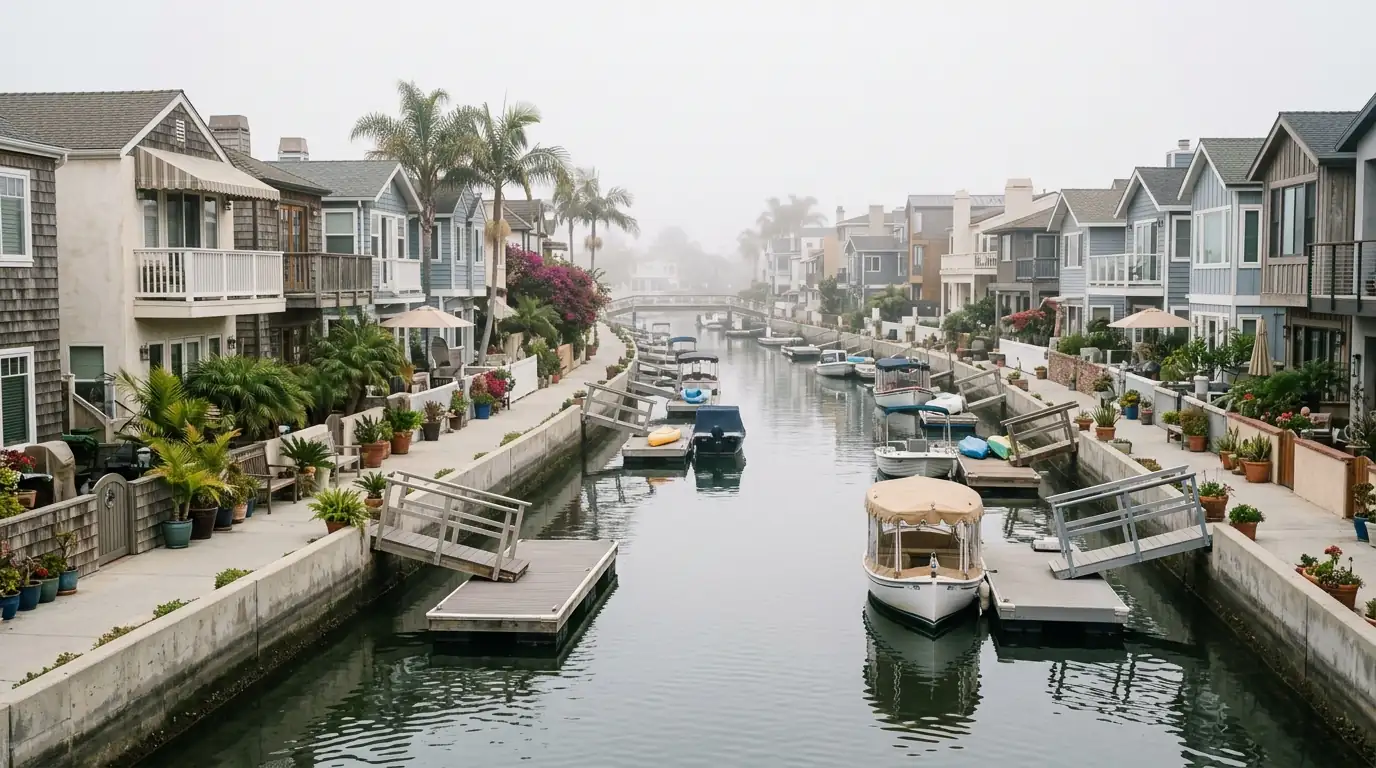
The islands sit in Alamitos Bay, and the air carries moisture most mornings of the year. Wood that also takes splash, sprinkler overspray or a slow plumbing drip stays damp enough for Pacific dampwood termites, the large insects that leave big, rough pellets and soft, chewed galleries. We find them in dock stringers, the bottom of wooden gates, deck ledger boards bolted to the house, and window sills on the water side where caulk has failed.
Dampwood colonies do not need contact with soil, but they do need the wet. That makes the fix mostly a carpentry and moisture job: cut out the soft wood, correct the leak or drainage, replace with treated lumber where code and design allow, and treat the surrounding framing. Spraying chemicals onto wet, rotting wood without solving the water problem only buys time.
Drywood colonies above the waterline
Higher on the same houses, drywood termites behave as they do everywhere on the coast. Swarmers come out on sunny days in late summer and look for cracks in fascia, rafter tails, shingle edges and the trim around second-story balconies. Many Naples homes have been rebuilt or added onto over the decades, so an attic might mix original framing with newer lumber. When pellets show in several rooms, or in walls we cannot open without damage, tenting is the dependable answer.
How we tent on an island lot
Fumigation in Naples is a logistics exercise. Lots are small, many houses share a narrow walk with the neighbor, and the front of some homes faces a public canal walkway rather than a street. We survey before the date: where tarps can be secured without draping onto the adjoining roof, which potted plants and vines along the seawall must come away, whether a boat tied at the dock should be moved, and where our truck can stop for loading. Parking on the islands is limited, so a clear plan for unloading and staging spares everyone headaches.
Tarps are sealed tight against wind off the bay, and the house is posted with warning signs and secured with secondary locks. Food, medicine and pet food go into fumigation bags or leave the home. Expect about 2 to 3 days out, and SoCalGas will need to shut off and relight gas service if the home uses it. Re-entry happens only after the air tests clear.
Small habits that keep canal homes drier
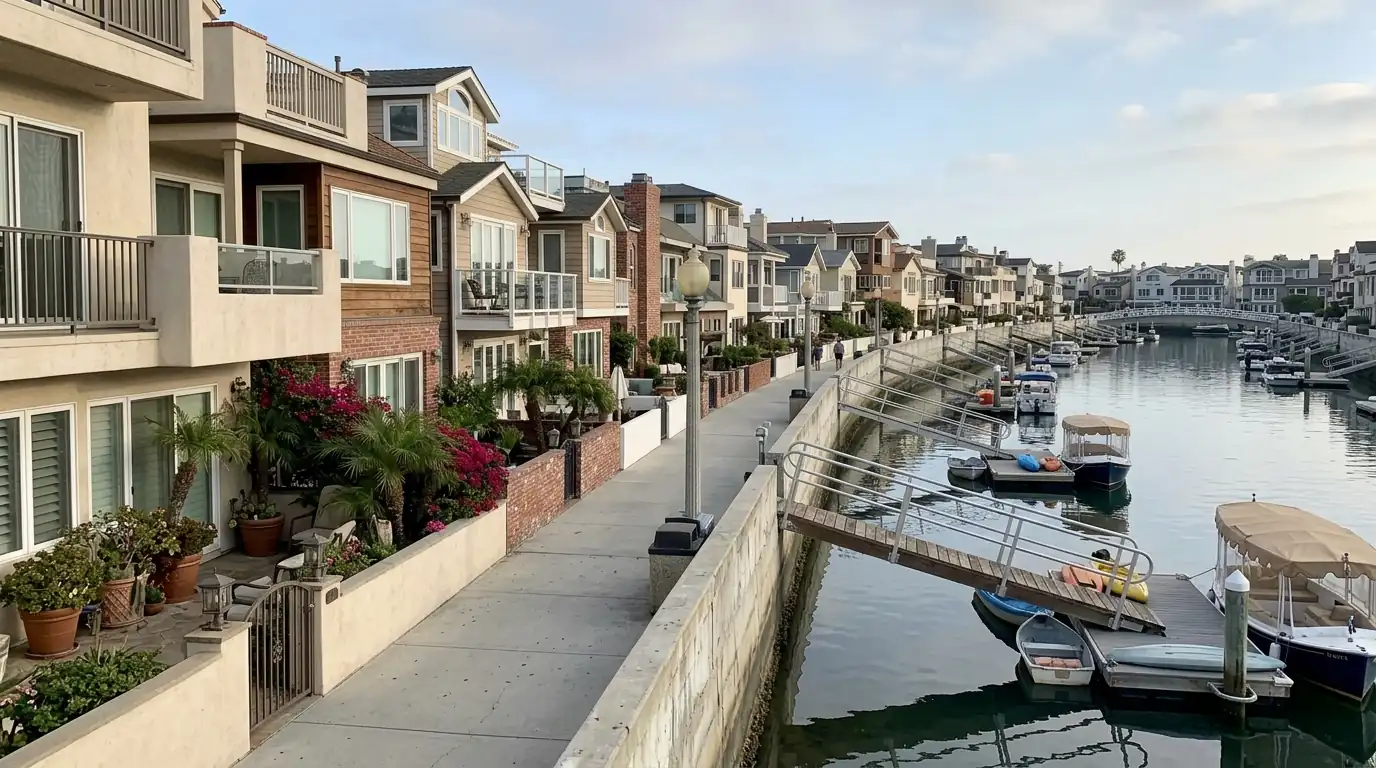
Keep sprinkler heads aimed away from siding and dock framing. Lift planters off wood decks on feet so water drains. Reseal window trim on the water side every couple of years. Have the dock and seawall cap lumber looked at whenever a termite report is done, because damage in those spots is easy to overlook.
What we treat most in Naples
Pacific dampwood termites
Large-bodied termites in wet dock lumber, ledger boards and water-side window frames; their pellets are bigger and rougher than drywood frass.
Drywood termites
Colonies in fascia, balcony trim and attic framing, often found during remodels of older island homes.
Roof rats
Use palms and overhead wires to cross between closely spaced houses and can nest in attic insulation.
Brown widow spiders
Their spiky egg sacs show up under dock furniture, on railings and inside planter rims along the canal.
Day-biting mosquitoes
Invasive Aedes mosquitoes breed in plant saucers, buckets and boat covers that hold rainwater, not in the canal itself.