Quick answer
On the Ocean Boulevard bluff, a house can have drywood termites on its sunny, sheltered side and decay or dampwood termites on its foggy ocean side. Inspections here look at both faces carefully. Drywood colonies are treated locally or by tenting; damp wood is repaired and the moisture source corrected. Original 1910s to 1930s details, such as wood windows, porch columns and decorative brackets, are repaired to match when damaged.
Two sides of the same house
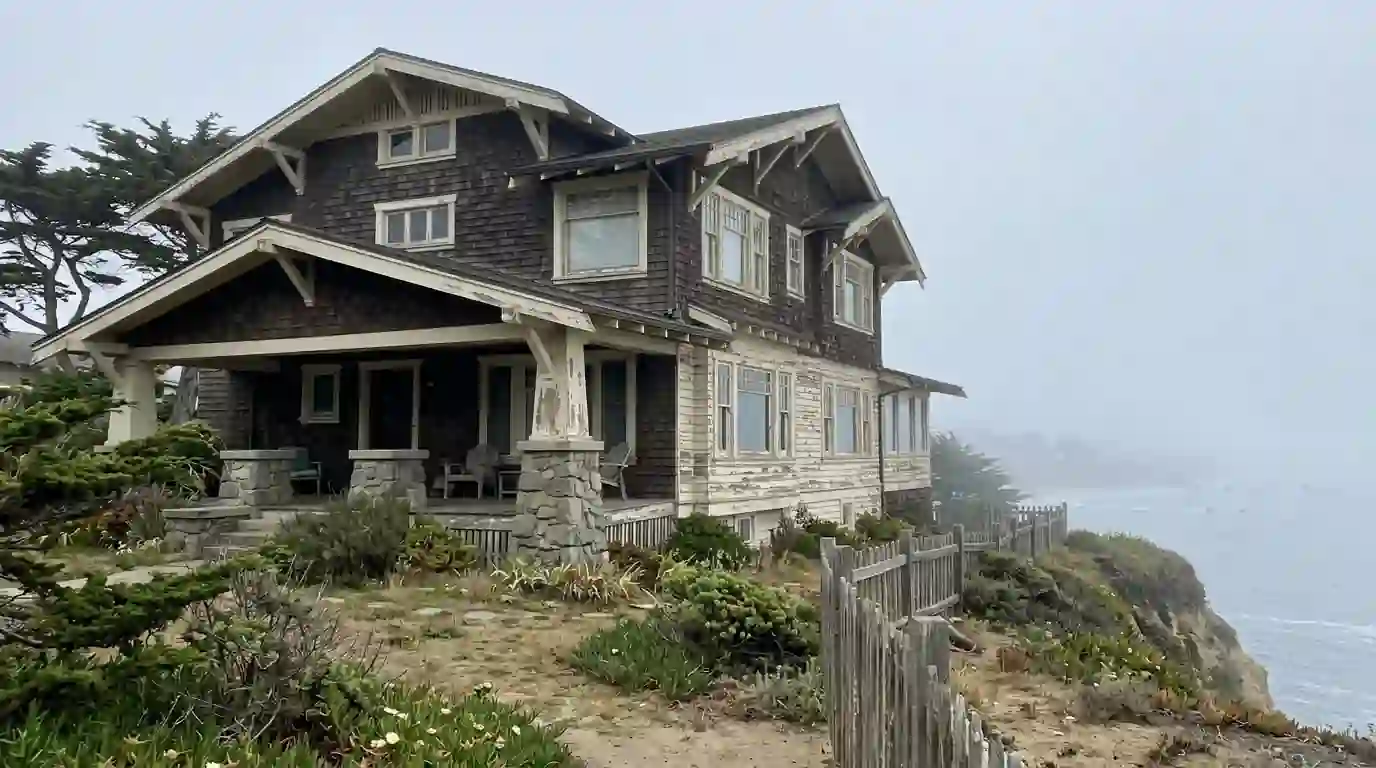
The historic district runs along the bluff east of downtown, with large Craftsman, Mission Revival and period homes facing the water and smaller homes on the streets behind. On many of these houses, the ocean face gets fog most mornings and the full wind in the afternoon. Paint chalks and peels, caulk fails around windows, and wood sills and trim stay damp. Over time that leads to decay and sometimes Pacific dampwood termites in the wettest spots.
The inland face and the attic behave differently. They stay warmer and drier, which suits drywood termites. It is common for us to find drywood pellets on the porch ceiling facing the street and soft, rotted window sills on the side looking at the ocean, all in one visit.
Bluff top logistics for tenting
Fumigating a large two-story home on Ocean Boulevard brings its own planning. Wind off the water is the main concern, so tarps are secured carefully and the job is scheduled with weather in mind. Parking along the boulevard and side streets is limited, especially near beach access points on warm weekends. We plan loading and staging so equipment is close and the sidewalk stays clear.
Prep follows the usual steps: food, medicine and pet food sealed in fumigation bags or removed, plants and people out, interior doors open, soil watered along the foundation and gas shut off by SoCalGas where applicable. The home is cleared by air testing before anyone moves back in, typically 2 to 3 days after the tarps go up.
Repairing ocean-side wood the right way
Replacing a rotted sill or a porch post on a period home starts with understanding why it failed. Usually water has been sitting behind cracked paint or trapped by a missing drip edge. We cut back to sound wood, fit new pieces that match the original profiles, and leave them ready for primer and paint. When framing is exposed during a repair, a borate application protects bare wood from future termites and decay fungi.
Keeping the ocean face painted is the best defense. A paint cycle shorter than on inland homes is normal on the bluff, and touching up checks and cracks between full repaints keeps wood sealed.
Pests that like the bluff
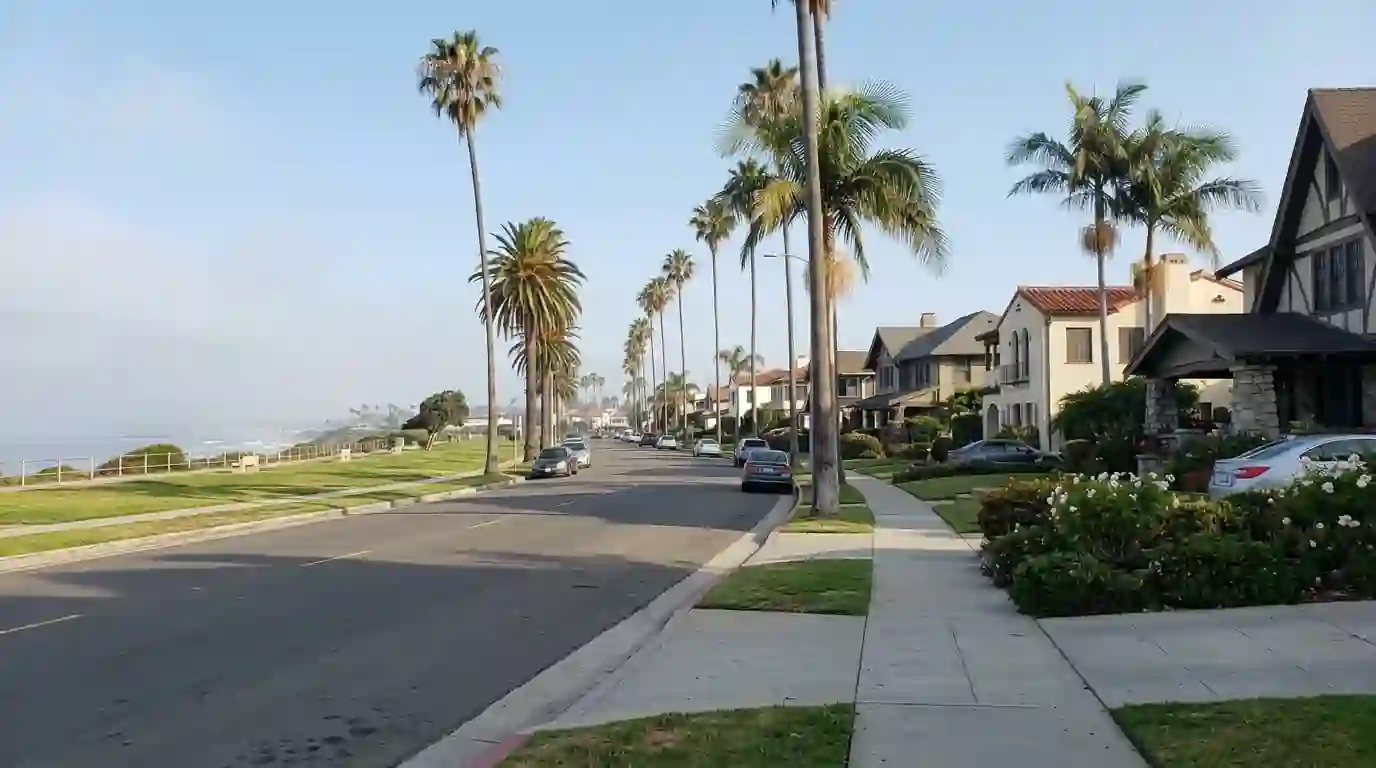
Roof rats use palms along the boulevard to reach older attics. Pigeons roost on ledges and eaves of larger homes. Spiders, including brown widows, build in porch corners and railings sheltered from the wind.
Pigeons are more than a mess on a bluff home. Their droppings stain stucco and wood, block gutters and can carry mites into attics when nests sit near vents. We remove nesting material, clean the ledge and install spikes, netting or slope barriers suited to the architecture so the fix does not spoil the look of a period facade. Roof rat work follows the same idea: trap, seal and trim palms back from the roofline.
What we treat most in Bluff Park
Drywood termites
Colonize the drier, sheltered side of period homes, including porch ceilings, attic framing and decorative brackets.
Wood decay fungus
Attacks ocean-facing window sills, siding and trim where marine air and failed paint keep the wood damp.
Pacific dampwood termites
Occasionally found in the wettest ocean-side wood, such as sills and porch posts with chronic moisture.
Roof rats
Climb palms along Ocean Boulevard and slip into attics through gaps at eaves and gable vents.
Pigeons
Roost and nest on the ledges, eaves and window heads of larger bluff homes.