Quick answer
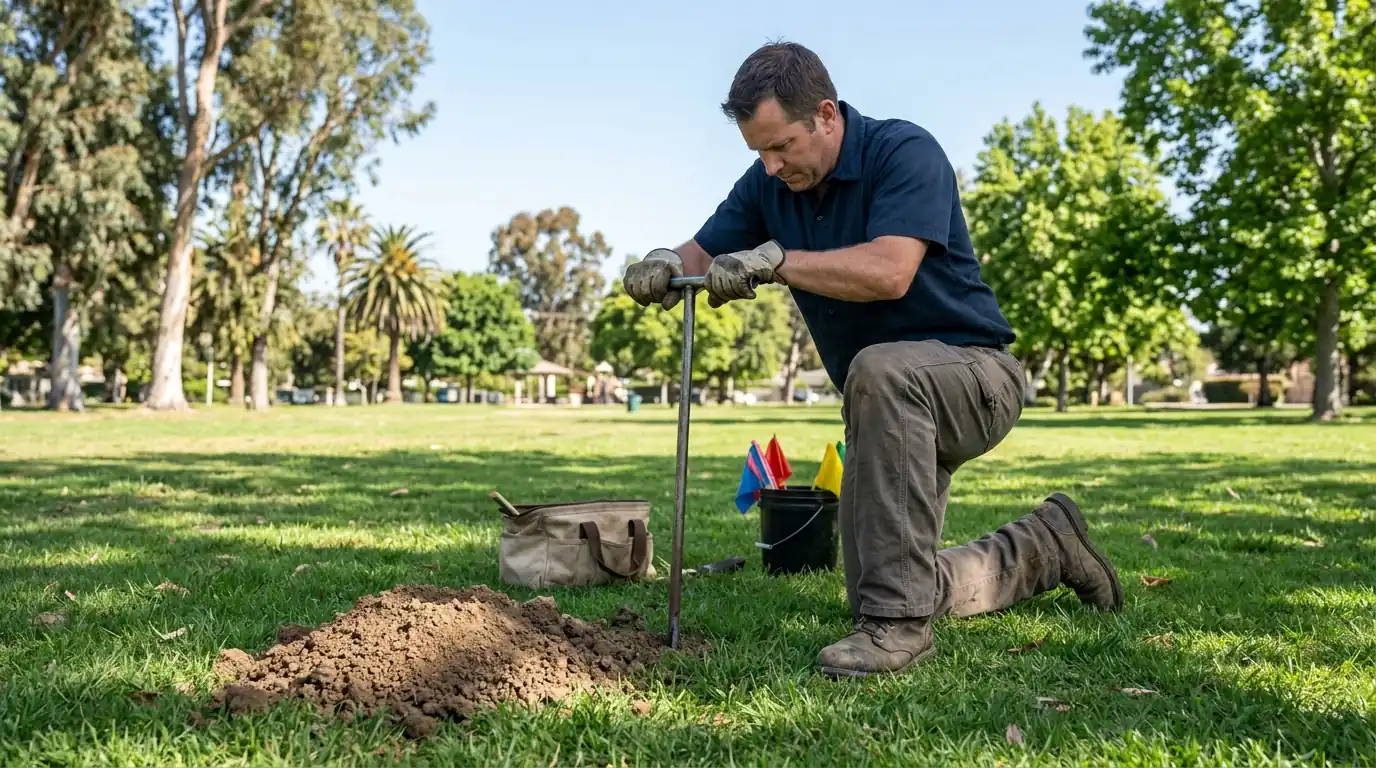
Pocket gophers are solitary burrowing rodents, so a yard with many mounds usually holds one to a few animals working a long tunnel system. We locate the main runs with a probe, set traps in the active tunnels, check them on a schedule and repeat until no fresh mounds appear. For new plantings, buried wire baskets and underground mesh offer long-term protection. Repellents and flooding rarely work, and gophers from nearby parks can move back in over time.
Botta's pocket gopher is the species in coastal Southern California. It is a stocky, brown rodent about seven to nine inches long that spends almost its whole life underground, feeding on roots, bulbs and the plants it pulls down into its tunnel. It digs a network of shallow feeding tunnels six to twelve inches below the surface and deeper nesting chambers, pushing excess soil up into mounds as it goes.
A single gopher can push up dozens of mounds in a month and damage lawns, vegetable beds, young fruit trees, roses and drip irrigation lines. Gophers live alone except during breeding, so the damage in one yard usually comes from just one or two animals. That is good news, because trapping a small number of gophers in the right tunnels can clear the yard. The challenge is finding the active main runs, which takes practice and the right tools.
What does not work against gophers
Gophers have a well-earned reputation for frustrating homeowners, and many popular remedies waste time. Flooding tunnels with a hose usually just pushes the gopher deeper or into another branch, and it can soften soil near foundations and walkways. Vibrating stakes and sonic devices have not been shown to work in testing; gophers live with constant vibration from traffic and mowers.
Castor oil repellents may push a gopher to another part of the yard briefly, but it returns. Gas cartridges and smoke bombs often fail because the tunnel system is large and gophers plug tunnels quickly. Chewing gum, human hair, glass and planted plants said to repel gophers are folklore.
- Flooding tunnels rarely removes a gopher
- Sonic and vibrating stakes are not reliable
- Repellents move gophers temporarily at best
- Smoke bombs often fail in large tunnel systems
- Household remedies like gum or hair do not work
How to tell gophers from moles and ground squirrels
Fan or crescent-shaped mounds
Gopher mounds are fan-shaped with a plugged hole off to one side. Mole hills are more round and volcano-like; moles are rare in Long Beach.
No open holes
Gophers plug their tunnel openings with soil. Ground squirrels leave open burrow entrances and are seen above ground in daylight.
Plants pulled from below
Vegetables, flowers or small shrubs that wilt suddenly or disappear into the ground, with roots chewed off, are typical gopher feeding.
Soft or sunken lawn spots
Areas of turf that feel spongy underfoot or collapse when walked on sit above shallow feeding tunnels.
Chewed irrigation lines
Unexplained wet spots or low pressure in a drip or sprinkler zone can come from gophers chewing through buried tubing.
New mounds after rain or watering
Gophers dig most actively when the soil is moist and soft, so fresh mounds often appear after rain or heavy irrigation.
Our trapping method for a yard full of mounds
Read the mound pattern
We walk the yard and note which mounds are fresh, dark and moist, since these mark current activity and help predict where the main tunnel runs.
Probe for the main tunnel
Using a steel probe, we push into the soil near the plugged side of a fresh mound until the probe drops into the open main run.
Set traps in pairs
We open the tunnel and set traps facing both directions, then cover the opening to block light and air so the gopher does not plug the trap.
Mark and check traps
Each set is staked and checked on a schedule. Traps that stay untouched are moved to newer activity, and successful sets are reset.
Watch for new mounds
We flatten existing mounds so any new soil is easy to spot. When no new mounds appear for a week or two, the yard is clear.
Plan long-term protection
For gardens and new plantings, we recommend wire baskets and underground mesh, and explain how gophers from parks and neighbors can return.
Typical gopher control costs
Gopher control is priced as an initial visit to set traps and a series of trap checks. Larger lots, yards next to parks and properties with several animals take more visits.
| Typical job | Typical range |
|---|---|
| Initial visit and trap setup | $165 to $295 per visitLocating main runs and setting traps across the active areas of the yard. |
| Follow-up trap checks | $75 to $145 per visitChecking, moving and resetting traps, usually two to four visits. |
| Monthly gopher monitoring | $65 to $135 per monthFor yards next to parks or open space where gophers keep returning. |
| Wire basket or mesh installation | $4 to $9 per square footBuried galvanized mesh under new lawns, raised beds or planting areas. |
What moves the price
- Yard size and how many areas show active mounds
- Number of gophers working the property
- Proximity to parks, schools, golf courses or open land that supply new gophers
- Soil type and moisture, which affect how easily tunnels can be located
- Whether long-term mesh protection is added to beds or new lawn
These are typical ranges, not a quote, and your price is set after we look at the yard. Compare more jobs in the treatment price guide.
Protecting vegetable beds, roses and young trees
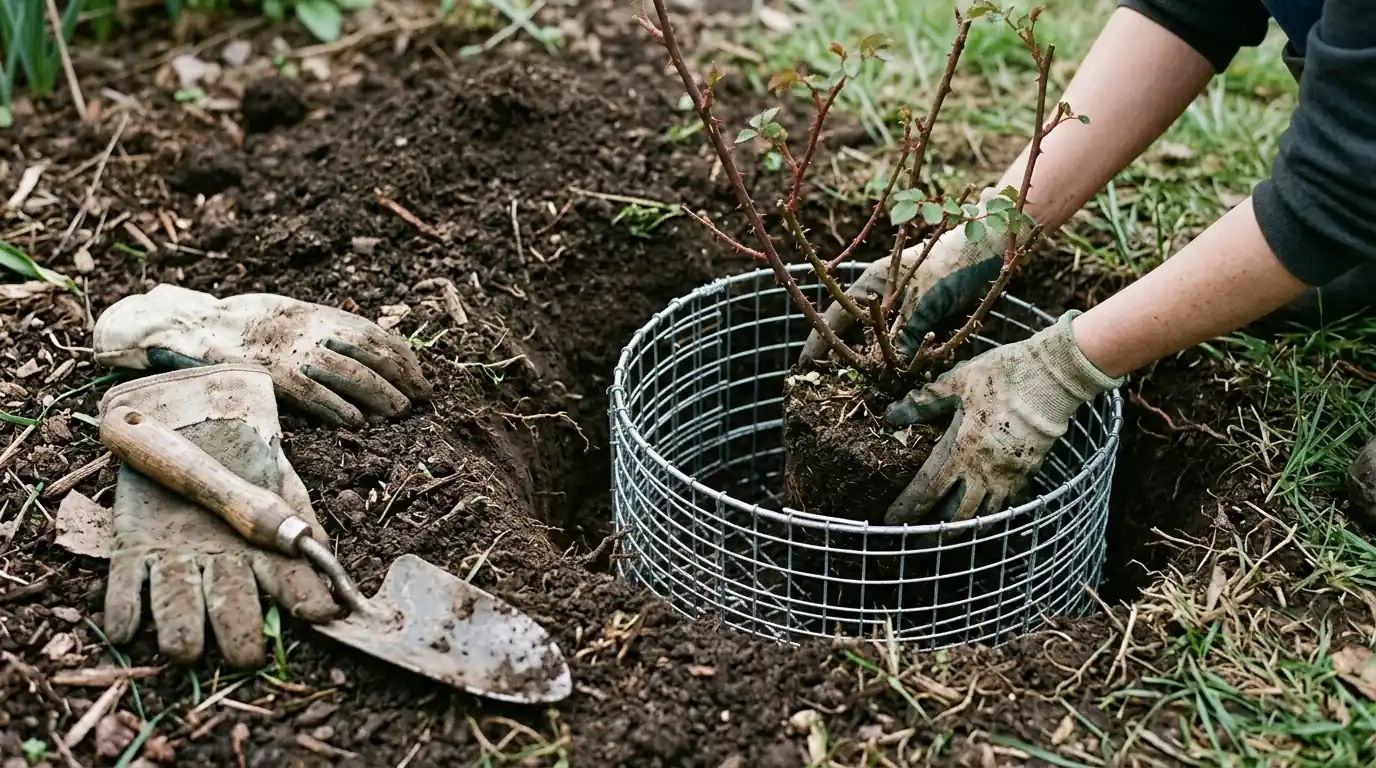
Trapping removes the gophers in a yard today, but if your property borders a park or open area, new animals can arrive in months. For gardens and planting beds you care about, physical barriers give lasting protection. Raised beds built with galvanized hardware cloth stapled across the bottom keep gophers out completely. Pre-made wire baskets set into each planting hole protect roses, shrubs and young fruit trees while the roots establish.
For a new lawn, mesh laid under the sod before installation is the strongest option, though it is more work. Choose galvanized wire rather than plastic mesh, which gophers chew through. Leave the top of each basket an inch or two above the soil line so a gopher cannot climb over it at the surface.
Gophers, pets, owls and safety
Gopher baits are poisons, and they can harm dogs and cats that dig up a treated tunnel or eat a poisoned gopher. Owls, hawks and other predators that feed on gophers can also be affected. In yards with pets and near parks with raptors, trapping is the safer and more certain method because you know exactly when the animal has been removed.
Barn owls are natural gopher predators and are often seen hunting over parks and open spaces around Long Beach. Some homeowners install owl boxes near large lots and open areas, which can help keep gopher numbers lower over time, though owls alone will not clear an active infestation from a single yard. Avoiding poisons protects the predators that help.
Gopher hot spots near Long Beach parks and open space
Most gopher calls in Long Beach come from homes that border parks, schools, golf courses and river channels, where large areas of irrigated turf keep gopher populations high. El Dorado Park Estates and the neighborhoods around El Dorado Park and the San Gabriel River see steady activity. The Plaza and Park Estates, with large lots and deep lawns near Cal State Long Beach and the Recreation Park golf course, are also common.
Lakewood Village and Los Altos homes near Heartwell Park and the Long Beach Airport open areas get regular visits from gophers moving out of the grass. In Bixby Knolls, Los Cerritos and along the LA River near Rancho Los Cerritos, larger yards with fruit trees and vegetable gardens are a draw. Gophers dig most actively in spring and after winter rains, when the soil is soft, but irrigated Long Beach yards can see mounds in any month.
Where we do gopher control
- Downtown Long Beach 90802
- North Long Beach 90805
- Belmont Shore 90803
- Bixby Knolls 90807
- California Heights 90807
- Los Altos 90815
- Naples 90803
- Rose Park 90804
- Wrigley 90806
- Signal Hill 90755
- Lakewood 90712
- Downey 90240
- Torrance 90503
- Carson 90745
- Compton 90220
- Norwalk 90650
- Bellflower 90706
- Garden Grove 92840
- Westminster 92683
- Seal Beach 90740
- Cerritos 90703
- Whittier 90601
Not listed? We cover all of Long Beach and the nearby cities; call and we will confirm your street.
Gopher Control questions
How many gophers are making all these mounds in my yard?
Usually only one or two. Pocket gophers live alone and defend their tunnel system, and a single animal can push up many mounds in a few weeks while it digs feeding tunnels. A yard with dozens of mounds often has just one busy gopher, which is why well-placed trapping can clear it.
Do gophers come back after they have been trapped?
The trapped animals do not, but new gophers can move into empty tunnels, especially if your yard borders a park, school field or open land. Flattening mounds and watching for fresh soil helps you notice new arrivals early. Wire baskets and mesh protect key plantings from future gophers.
What is the difference between a gopher mound and a mole hill?
Gopher mounds are fan or crescent shaped, with a plugged hole off to one side where the gopher pushed the soil out. Mole hills are rounder and more volcano-shaped with the plug in the center. Moles are uncommon in Long Beach, so most mounds here are gophers.
Can gophers damage sprinkler and drip irrigation lines?
Yes. Gophers chew through plastic drip tubing and sometimes thin PVC lines while tunneling and feeding. Wet spots, low pressure in a zone or a valve that seems to run constantly can point to gopher damage. Repairs work best after the gopher has been removed.
Related services
Rodent Control
Rodent control starts with knowing which animal you have: roof rats in attics and trees, Norway rats in alleys and under slabs.
DetailsRodent Exclusion
Rodent exclusion is the physical work of closing every opening a rat or mouse can use: roof returns, attic and foundation vents.
DetailsGeneral Pest Control
General pest control is a recurring service, usually every other month or quarterly, that treats the outside of the home to stop.
DetailsMosquito Control
The day-biting mosquitoes now common in Long Beach are invasive Aedes species that lay eggs in tiny amounts of water: plant saucers.
Details