Quick answer
Postwar homes and small apartment buildings make up much of North Long Beach. Rats and mice get in through gaps at garage doors, utility lines and foundation vents; American and German cockroaches move between alleys, sewers and shared walls; and subterranean termites rise from soil along older foundations and slabs. We trap and seal for rodents, bait and treat for roaches, and use soil treatment or bait stations for termites, with drywood work in attics when needed.
Keeping rats and mice out of postwar homes
Homes built in the 1940s and 1950s here were often simple, sturdy and practical, and decades of settling have opened small gaps. Roof rats come in at the roofline from trees and utility lines. Norway rats, heavier and burrowing, tunnel under sheds and slabs near alleys and the river corridor and push in at ground level through foundation vents, weep holes and gaps under garage doors. House mice need an opening barely the width of a pencil.
We start by finding how they get in. That means walking the exterior with a flashlight, checking the attic or crawlspace, and looking for droppings, gnaw marks and grease rub lines. Traps go in to clear current activity, then entry points are sealed with hardware cloth, sheet metal, door sweeps and mortar. Food and water sources outside, like pet bowls, fallen fruit and open trash, need attention too, or new rodents keep arriving.
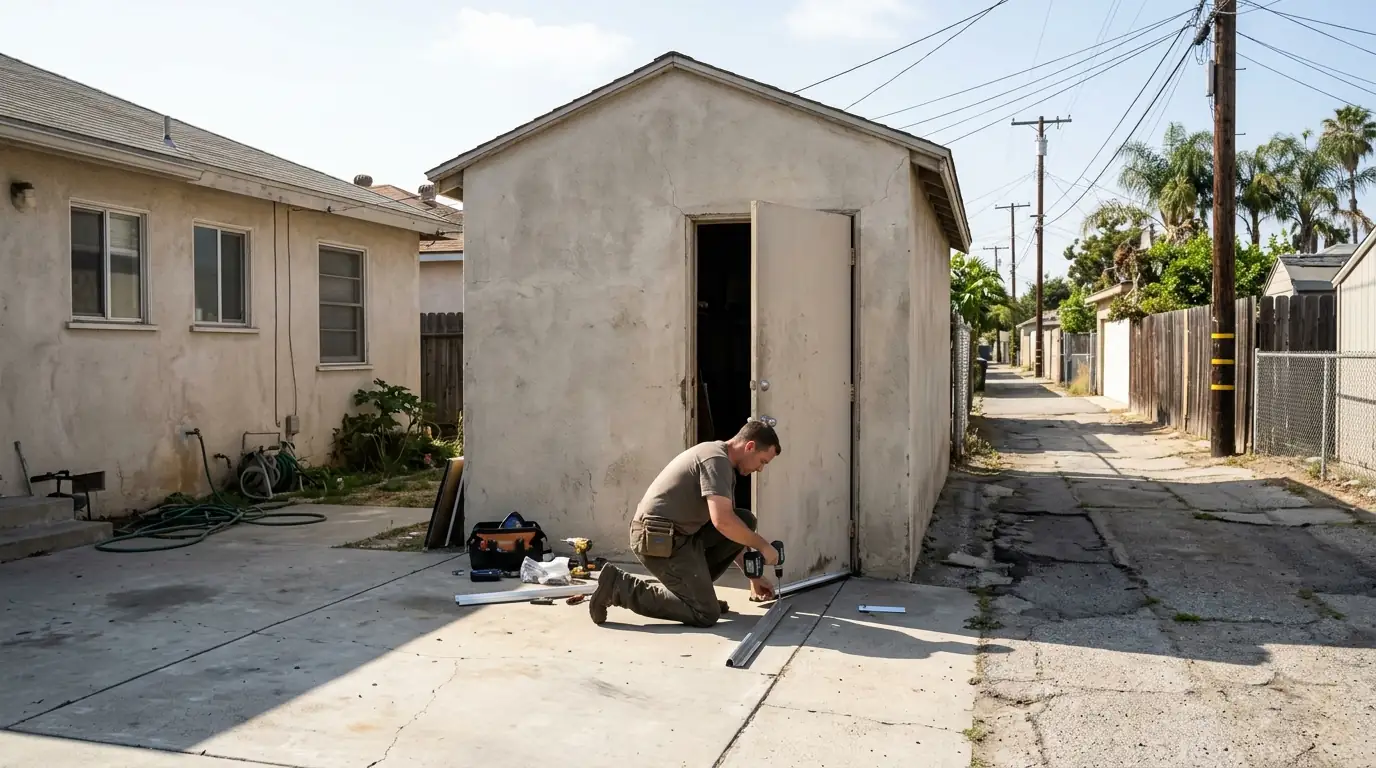
Cockroaches from alleys, sewers and shared walls
Two different cockroaches cause most complaints. American cockroaches are large, reddish brown and live in sewers, storm drains and damp alleys. They enter through floor drains, gaps under doors and plumbing openings, often at night after a warm day. German cockroaches are small, tan and live indoors, especially in kitchens of apartment buildings, where they spread between units through shared walls.
For American roaches we treat outside at perimeter openings, drains and mulch beds, and seal gaps under doors. For German roaches we use gel baits, growth regulators and careful placement inside cabinets and appliances, and treat adjoining units in multifamily buildings. Spraying alone tends to scatter German roaches, so baiting and follow-up matter.
Subterranean termites along older foundations
Postwar homes here sit on a mix of raised foundations and slabs. Subterranean termites come up through cracks in slabs and stem walls, through crawlspace soil and from wood that touches the ground, like fence posts, step stringers or old planters. Damage often turns up in door jambs, baseboards and the bottom of wall studs.
Treatment uses non-repellent liquid termiticide in the soil around the foundation, with slab drilling where needed, or bait stations placed around the home and checked over time. Drywood termites still appear in attics and garages, and they are treated separately when we find them.
Apartments, duplexes and rentals
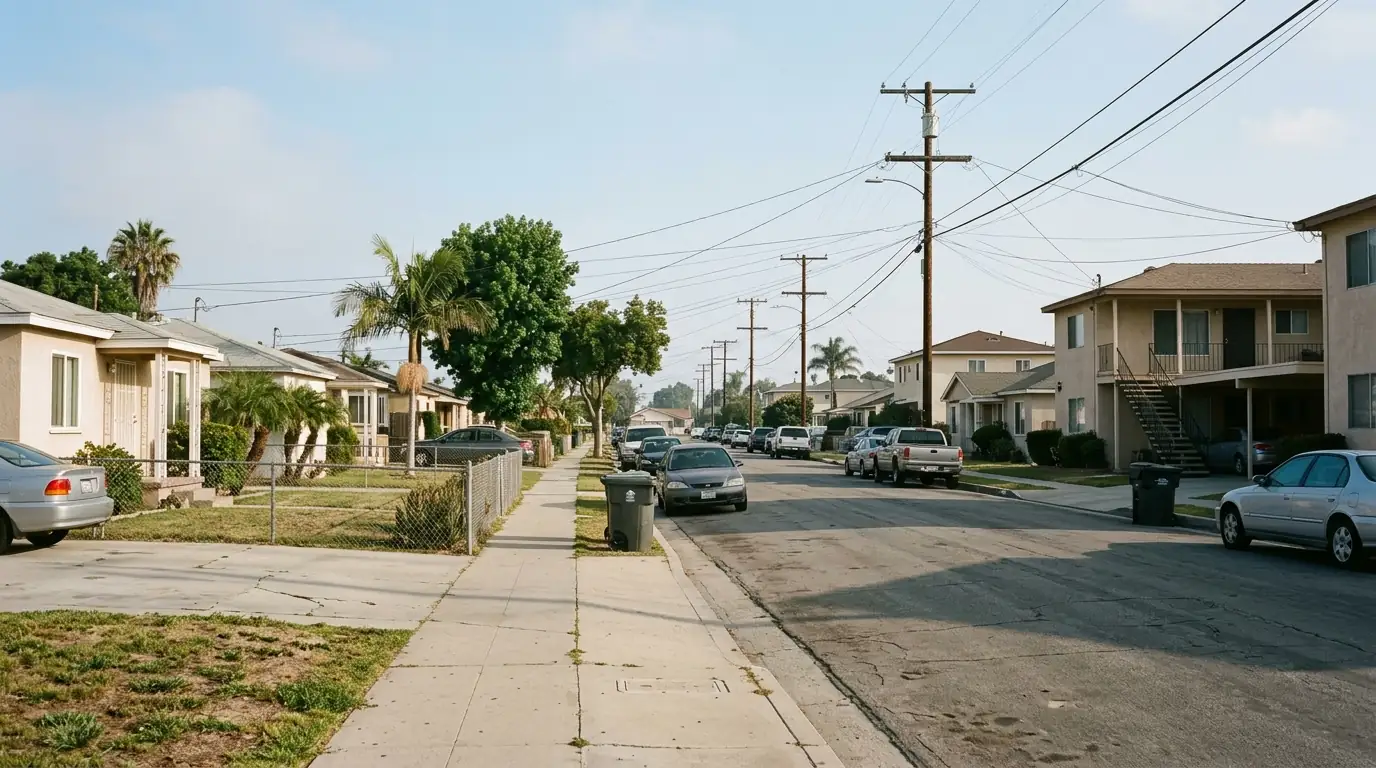
Many properties here are rentals, from duplexes to small apartment buildings near Atlantic and Long Beach Boulevard. Owners often call us between tenants or when a complaint comes in. Treating one unit at a time works for some problems, but cockroaches and bed bugs usually need the neighboring units included. Clear prep instructions for tenants make treatments work better.
What we treat most in North Long Beach
Roof rats and Norway rats
Roof rats enter at rooflines from trees and wires; Norway rats burrow near alleys and come in at ground level.
House mice
Slip through gaps the width of a pencil around garage doors, utility lines and weep screeds.
American cockroaches
Live in sewers and storm drains and come indoors through floor drains and gaps under doors at night.
German cockroaches
Spread between apartments through shared walls and kitchen plumbing in multifamily buildings.
Western subterranean termites
Rise from soil through slab cracks and crawlspaces and damage door jambs, baseboards and wall studs.