In this guide
If you are buying or selling a home in Long Beach, sooner or later a termite report lands in your inbox, and the escrow officer starts asking about Section 1 clearance. Its official name refers to wood destroying pests, and California sets out how it is laid out. Once you know how the sections work, the report becomes much easier to read and negotiate.
This guide reads a report the way you would encounter it: the parts of the page, what each finding category means, how buyers and sellers usually handle them, and the paperwork that closes the loop.
Key takeaways
- Section 1 lists active infestation, infection and damage; it is usually what lenders want corrected.
- Section 2 lists conditions likely to cause problems later, like moisture and earth-to-wood contact.
- Further inspection items need an area opened up before they can be classified.
- Who pays is set by the purchase contract, not the report.
- A completion notice confirms the work and should be kept with your closing papers.
What the report actually covers
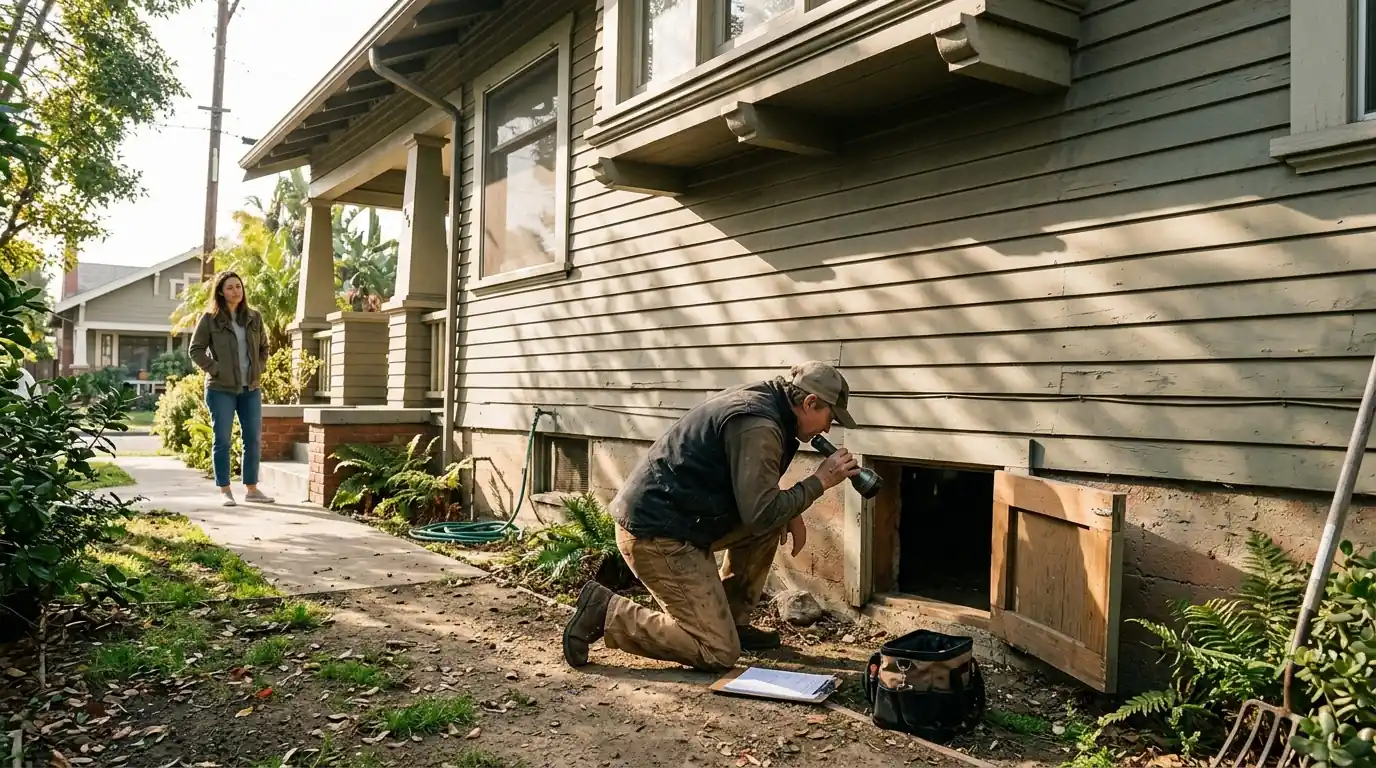
A termite report records what an inspector found when looking at the accessible areas of a structure for wood destroying pests and fungi. That includes drywood, subterranean and dampwood termites, wood boring beetles, and fungus damage, which the industry often calls dry rot. It also records conditions that are likely to lead to those problems, like earth-to-wood contact and excessive moisture.
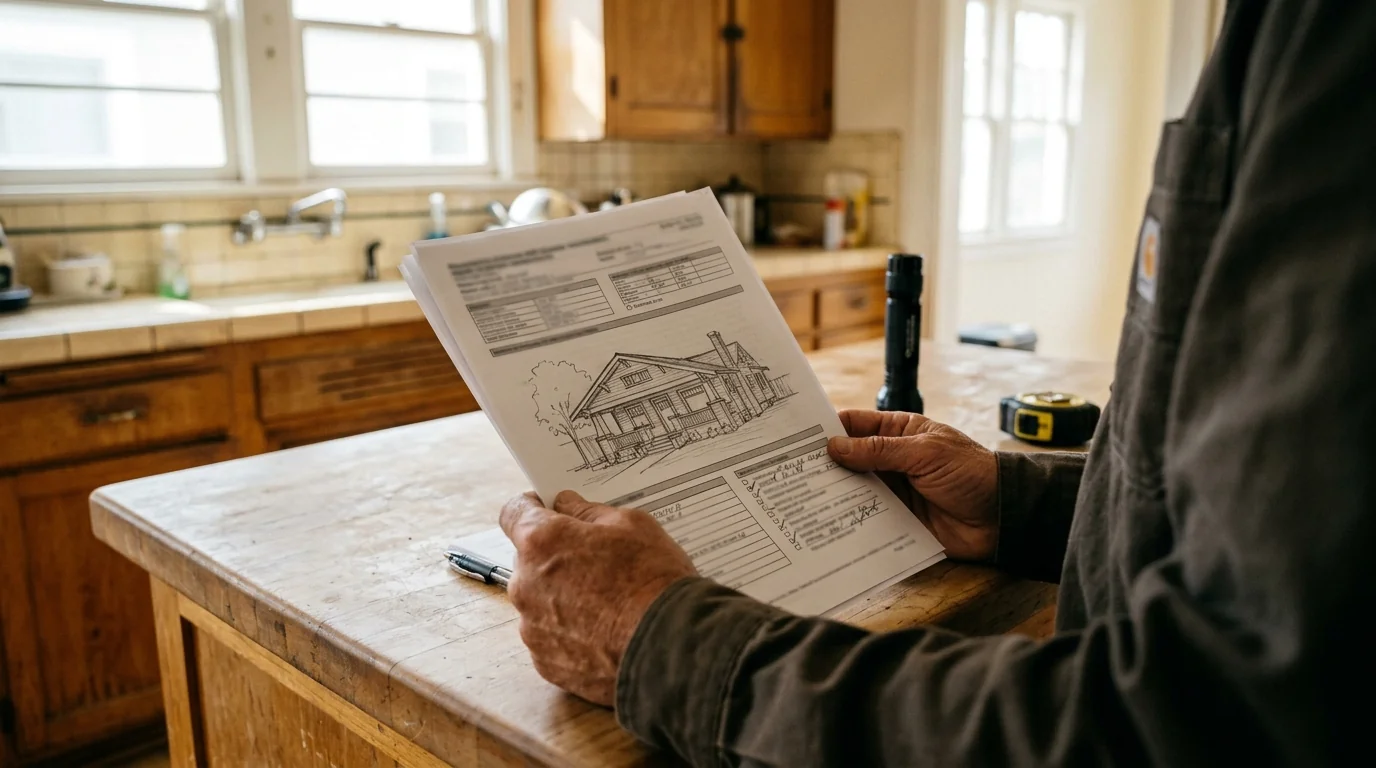
The report has a diagram of the structure with numbered findings, a description of each finding, and a recommendation for each one. It also states which areas were inaccessible, such as a finished garage ceiling, a sealed soffit or a crawlspace with insufficient clearance. In California, the Structural Pest Control Board oversees how these inspections and reports are done. Reading the inaccessible areas list is just as important as reading the findings.
Section 1: active problems and damage
Section 1 items are conditions where active infestation or infection is present, or where damage from it has been found. A colony of drywood termites in the attic framing, subterranean mud tubes with live workers at the sill plate, fungus damage at the bottom of a door jamb, or beetle exit holes with fresh frass would all land in Section 1.
These are the items that lenders, buyers and escrow most often want handled before closing. When all Section 1 items are corrected, the property can be described as clear of active infestation and damage in the areas inspected, which is what people mean by a Section 1 clearance.
- Active drywood or subterranean termites, with location noted
- Fungus damage, often at shower pans, door thresholds and window sills
- Termite or beetle damage to wood members
- Recommended treatment or repair for each item
Section 2: conditions that invite problems later
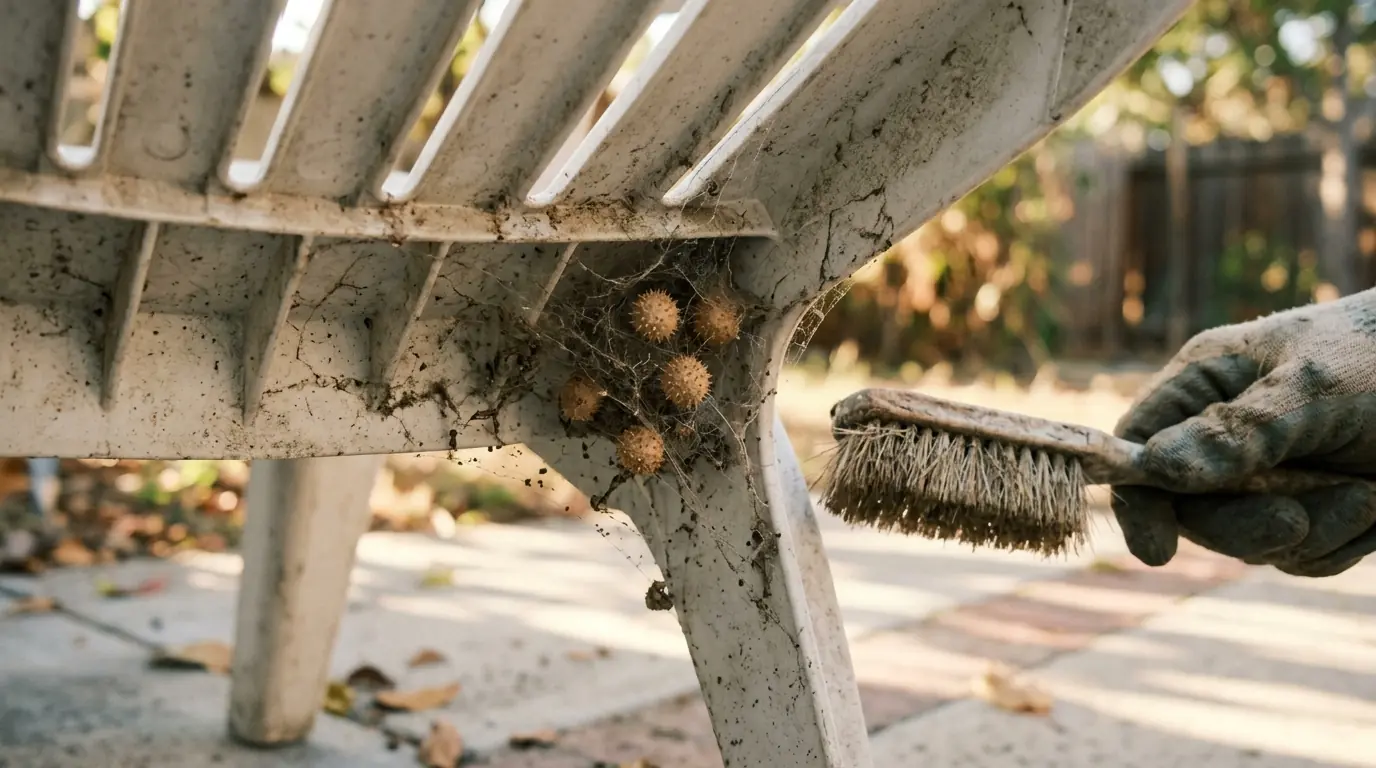
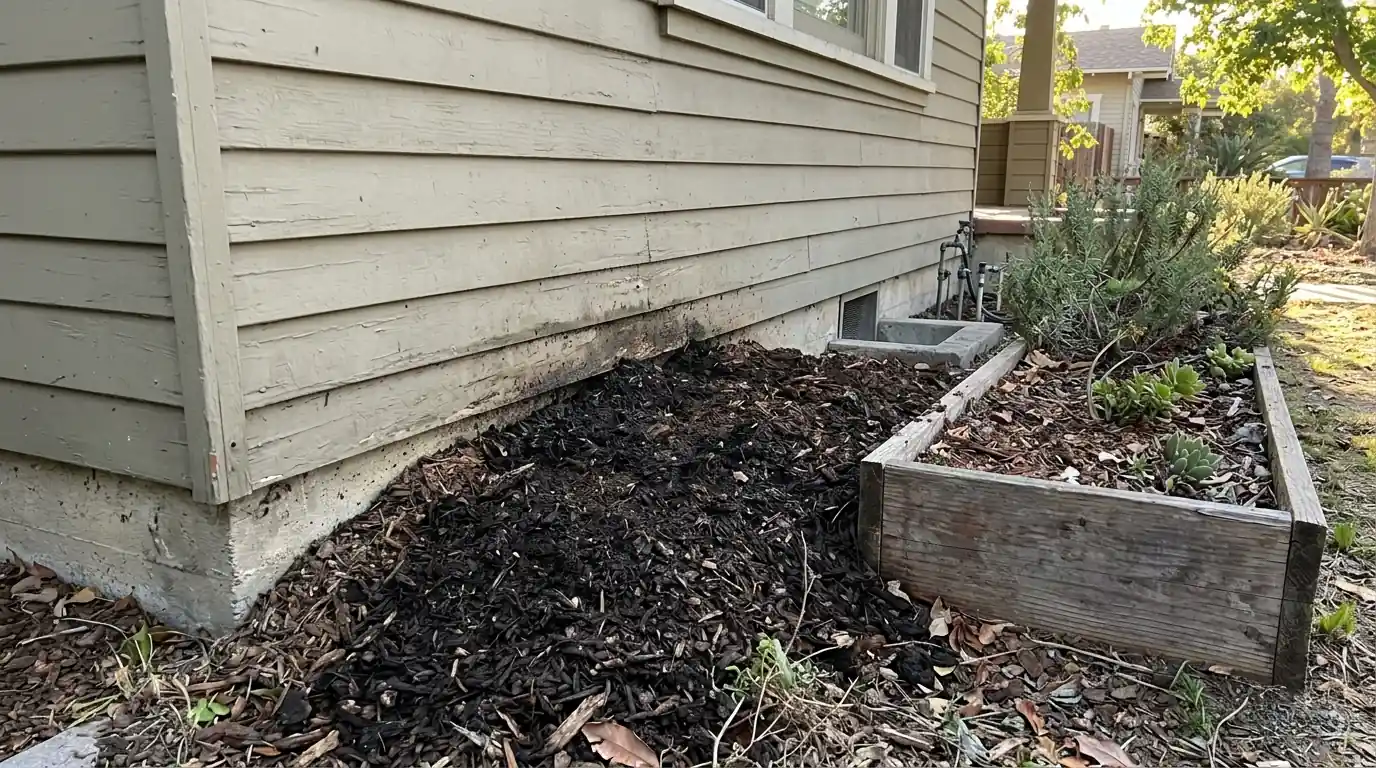
Section 2 items are conditions that are likely to lead to infestation or infection, but where no active problem was found yet. Typical examples in Long Beach homes include soil piled against wood siding or a planter box built against the house, a leaking hose bib wetting a wall, a tub or shower that leaks into the subfloor, a crawlspace with poor ventilation, and wood debris left under the house.
Section 2 work is usually considered maintenance and is more often a negotiation point than a lender requirement. Many buyers choose to fix these items after close because they protect the house long term. Some of the most important fixes, like stopping a slow shower leak before it rots the subfloor, are cheap compared with the Section 1 damage they prevent.
Further inspection and unknown further inspection
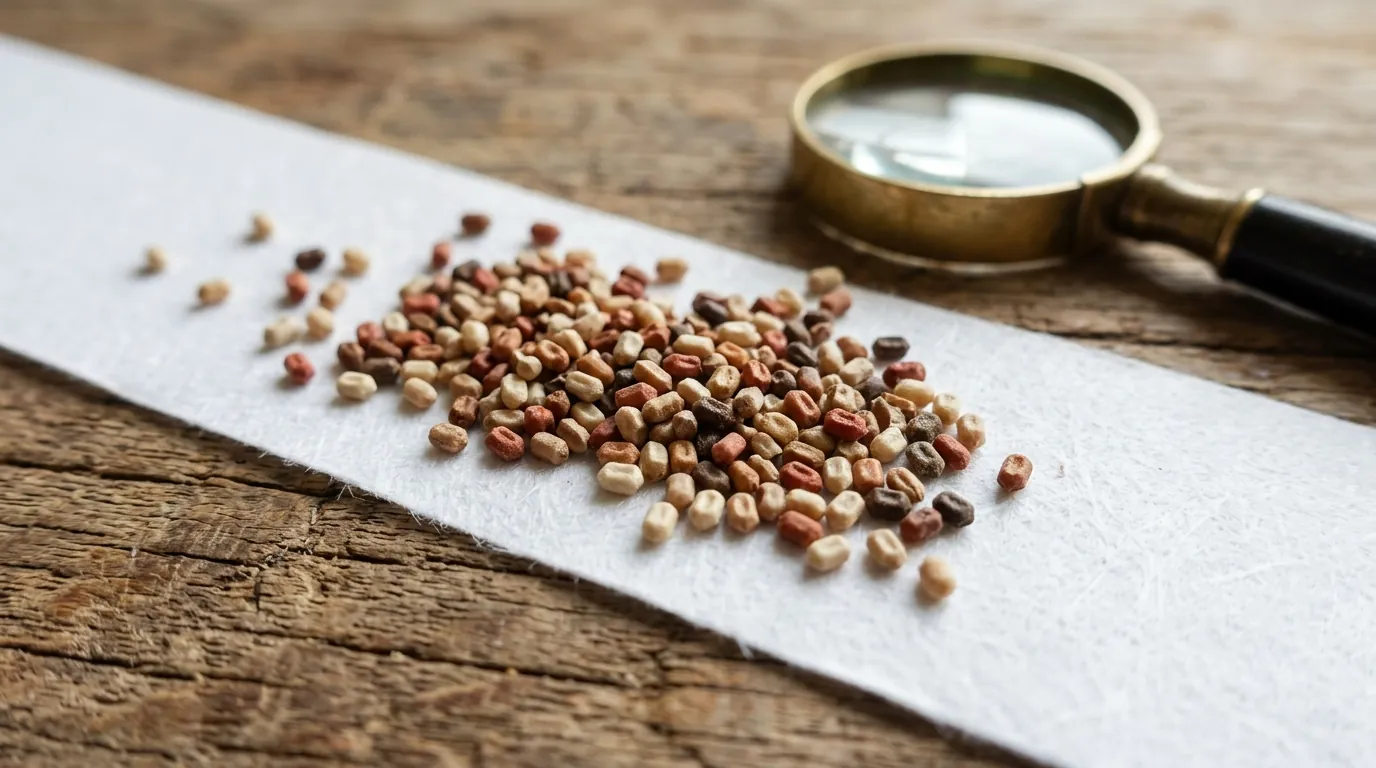
Some findings fall into a third group. A further inspection recommendation means the inspector saw evidence suggesting a problem but could not see enough to classify it, for example a stain on a ceiling below a bathroom, or a wall cavity behind finished drywall where pellets were found at the base. The report recommends opening the area to inspect it, after which the item is reclassified into Section 1 or Section 2, or cleared.
Buyers should pay close attention here. A further inspection item that turns into fungus damage after the wall is opened can change the cost picture. If a further inspection is listed on a report for a house you are buying, it is reasonable to ask that it be completed before you remove contingencies.
Who usually pays for what in Long Beach sales
There is no rule written into the report about who pays; that is decided in the purchase contract. In practice, in many Southern California sales the seller pays for Section 1 work so the buyer's lender will fund, and Section 2 items are either negotiated, handled as a credit, or left for the buyer. Further inspection items are often handled by the seller as part of clearing Section 1, since they may turn into Section 1 findings.
Your agent and the purchase agreement set the terms, and it helps to read the report before those terms are final. A report that recommends fumigation for widespread drywood activity reads very differently from one that recommends a few local treatments, and the cost gap between them can be large.
Common findings on older Long Beach homes
Raised-foundation bungalows in California Heights, Rose Park and Wrigley often show Section 2 items under the house: wood debris in the crawlspace, form boards left from the original pour, and earth-to-wood contact at stair stringers. Their attics and rafter tails frequently produce Section 1 drywood findings.
Slab ranch homes in Los Altos and El Dorado Park Estates tend to show fungus damage at bathroom and kitchen plumbing walls and at the base of exterior doors, plus subterranean findings at slab cracks and expansion joints. Condos downtown and in Alamitos Beach often have findings in balcony framing and shared attics, where the HOA, not the unit owner, controls the repair.
Completion notices and closing the loop
When the recommended work is done, the company that did it issues a completion notice, sometimes called a notice of work completed, listing which items were corrected. If a different company does the work than the one that wrote the report, a re-inspection may be needed so the report and the completion line up. Escrow uses these documents to confirm Section 1 is clear.
Keep the report, the completion notice and any treatment records together with your closing documents. They are useful when you sell, refinance or simply want to know when the attic was last treated. If a report has you puzzled, a person answers at (562) 636-0445 around the clock and can walk through what a finding means.
Reader questions
As a buyer, can I ask for a second termite report from another company?
Yes. Buyers often order their own inspection, especially when the seller's report was written before listing. Two reports on the same house can differ, mostly in how many areas were accessible and how findings were classified. When they differ, compare the inaccessible areas lists and the further inspection items first, since those are where the gaps usually come from.
Does a clean Section 1 mean the house has no termites anywhere?
It means no active infestation, infection or damage was found in the areas that were inspected, or that items found were corrected. It does not cover inaccessible areas listed on the report, and it is a snapshot of one day. Drywood swarmers can land on the house after closing, so the report is a starting point for ongoing care, not a lifetime clearance.
Why would a report list dry rot when there is no water leak now?
The fungus damage the industry calls dry rot needed moisture at some point, but the source may have been fixed, may be seasonal, or may be intermittent, like a shower that only leaks under use. The damage itself is what gets recorded, along with any moisture condition that is still present. Replacing the damaged wood without finding the moisture source usually means it comes back.
Written by Celeste Goodwin, Termite Guides Editor at Exquisite Termite Control.